
Summary: This article offers a brief guide on how to survive a nuclear war, covering pre-war preparation, immediate actions during a nuclear strike, and long-term survival strategies in a post-apocalyptic environment. Divided into practical sections, it provides clear and actionable advice for enhancing your chances of survival in an extreme and devastating scenario. Topics include understanding the risks, creating a survival plan, protecting against radiation, managing resources, and rebuilding in the aftermath.
Introduction: Understanding the Reality of a Nuclear Threat
The threat of nuclear war has loomed over humanity since the advent of atomic weapons. While many view such an event as catastrophic and unsurvivable, history has shown that with preparation and knowledge, survival is possible. This guide aims to equip you with the essential skills and strategies needed to endure the immediate impact of a nuclear explosion and the long-term challenges that follow.
Preparing for a Nuclear War
Preparation is the cornerstone of survival. In the event of a nuclear conflict, those who have planned ahead stand the best chance of survival.
Understanding the Risks
- Recognise potential nuclear targets such as military bases, large cities, and industrial hubs.
- Evaluate your location’s proximity to these areas and assess the likelihood of fallout reaching your area.
Building a Survival Kit
Assemble a nuclear survival kit with the following essentials:
- Food and Water: Store at least a two-week supply of non-perishable food and water (4 litres per person per day).
- Radiation Protection Gear: Include N95 masks, potassium iodide tablets, and protective clothing.
- First Aid Kit: Ensure it contains burn creams, bandages, and basic medications.
- Communication Tools: A hand-crank radio and batteries can keep you informed.
- Light and Heat Sources: Pack torches, candles, and matches.
Creating a Safe Space
- Identify or construct a fallout shelter. Basements and underground spaces offer the best protection.
- Reinforce the shelter with thick walls made of concrete or packed earth to block radiation.
- Stock the shelter with survival essentials and ensure it is airtight to minimise contamination.
Actions During a Nuclear Strike
The moments during and immediately after a nuclear explosion are the most critical for survival.
Recognising the Warning Signs
- Be alert to air-raid sirens, government announcements, or bright flashes of light in the sky.
- A sudden flash may indicate a nuclear detonation. If you see one, act immediately.
Taking Immediate Shelter
- If outside, drop to the ground face down, cover exposed skin, and shield your eyes.
- Seek shelter as quickly as possible. The first 24-48 hours after a nuclear explosion are the most dangerous due to high levels of radiation.
- Avoid windows, as the blast wave can cause severe injuries from shattered glass.
Protecting Against Radiation
- Close all doors and windows in your shelter to prevent radioactive dust from entering.
- Use duct tape to seal gaps and vents.
- Change clothes and shower if exposed to fallout to remove radioactive particles.
Surviving in the Immediate Aftermath
The days following a nuclear explosion present unique challenges, including radiation exposure, limited resources, and maintaining mental well-being.
Understanding Fallout
- Fallout consists of radioactive particles that settle on surfaces after an explosion. These are most dangerous in the first 48 hours but may remain hazardous for weeks.
- Stay inside your shelter for at least two weeks if possible.
Managing Resources
- Ration food and water to extend supplies. Consume less water-intensive foods first.
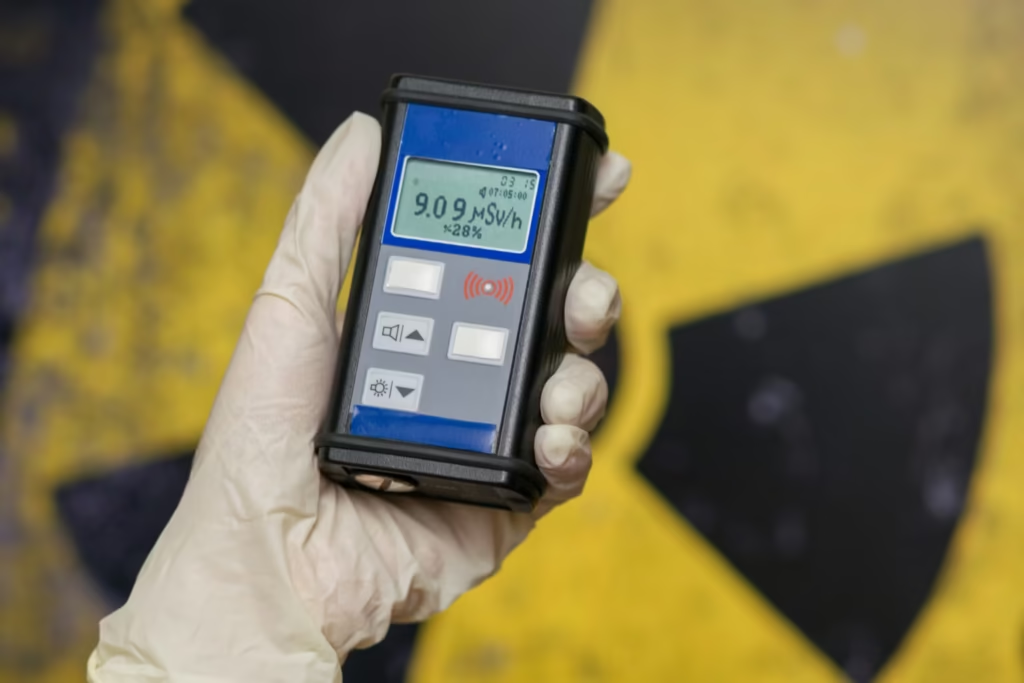
- Use a Geiger counter to assess whether items or areas are contaminated.
Communication
- Monitor emergency broadcasts for updates.
- Use two-way radios to contact authorities or locate other survivors.
Long-Term Survival Strategies
After the initial danger has subsided, rebuilding and adapting to the new environment is crucial.
Relocating to Safer Areas
- Once radiation levels drop, consider relocating to less contaminated regions.
- Avoid areas with heavy fallout, evident from a thick layer of ash-like dust.
Growing Food
- Begin cultivating crops in uncontaminated soil. Use greenhouses if necessary to avoid residual fallout.
- Store seeds and learn techniques for sustainable agriculture.
Maintaining Health
- Protect against disease outbreaks by maintaining hygiene and boiling water.
- Treat injuries promptly to prevent infections, as medical aid may be scarce.
Psychological Resilience in a Post-Nuclear World
Surviving a nuclear war is as much about mental fortitude as physical preparedness.
Coping Mechanisms
- Establish routines to create a sense of normalcy.
- Focus on achievable goals, such as daily tasks or long-term rebuilding efforts.
Supporting Others
- Strengthen community ties with other survivors to share resources and knowledge.
- Work together to rebuild shelters, grow food, and establish safety.
Lessons from History
Survivors of past nuclear events, such as Hiroshima and Nagasaki, provide valuable insights into enduring extreme conditions. Their stories reveal the importance of preparation, adaptability, and perseverance.
Conclusion: Hope Amidst Adversity
While a nuclear war represents one of humanity’s darkest potential outcomes, survival is possible with the right knowledge and preparation. By taking proactive steps, remaining adaptable, and fostering resilience, individuals can increase their chances of enduring such a catastrophic event.
The key to survival lies in preparation, swift action, and a commitment to rebuilding a better future in the aftermath of destruction.
Q&A: Surviving a Nuclear War
Q1: What should I do if a nuclear bomb is about to strike my area?
A1:
- Immediately seek shelter, ideally underground or in the centre of a building.
- Lie flat on the ground if caught outside and cover your head to protect against the blast wave.
- Shield your eyes from the flash, as it can cause temporary or permanent blindness.
- After the blast, move to the safest available shelter and stay there to avoid fallout exposure.
Q2: How can I tell if a nuclear explosion has occurred nearby?
A2:
- Look for the sudden bright flash of light, which can be seen hundreds of miles away.
- Feel the heat wave or shock wave from the blast.
- Listen for emergency sirens or government alerts via radio or mobile devices.
- Watch for a mushroom cloud, although this might be visible only in clear weather conditions.
Q3: How much time do I have to find shelter after an explosion?
A3:
- You typically have about 10-15 minutes before radioactive fallout begins to descend, depending on the wind and your distance from the blast site.
- Prioritise getting indoors, preferably underground, as fallout particles are most dangerous in the first 48 hours.
Q4: What is fallout, and how can I protect myself from it?
A4:
- Fallout refers to radioactive particles released into the atmosphere during a nuclear explosion. These particles eventually settle back to the ground, posing serious health risks.
- Protect yourself by:
- Staying indoors and sealing your shelter with plastic sheeting or duct tape.
- Wearing protective clothing and masks if you need to go outside.
- Avoiding consumption of exposed food or water.
Q5: What is potassium iodide, and why is it important?
A5:
- Potassium iodide is a medication that helps block radioactive iodine from being absorbed by your thyroid gland.
- Take it only when directed by public health authorities, as it is most effective within a few hours of exposure to fallout.
- It does not protect against other forms of radiation.
Q6: How long should I stay in my shelter after a nuclear explosion?
A6:
- Remain sheltered for at least 24-48 hours, as radiation levels will be at their highest during this period.
- Ideally, stay inside for up to two weeks, especially if fallout is significant and external contamination persists.
Q7: Is it safe to drink water after a nuclear explosion?
A7:
- Water stored in sealed containers before the explosion is safe to drink.
- Avoid drinking water from open sources such as rivers, lakes, or uncovered wells, as they may be contaminated by fallout.
- If necessary, filter and boil water to reduce the risk of consuming radioactive particles.
Q8: Can food be safely consumed after a nuclear explosion?
A8:
- Packaged and canned food that has been stored in sealed containers is generally safe.
- Wash the exterior of cans and packaging before opening them to remove fallout dust.
- Avoid fresh produce or food exposed to the open air unless you are sure it is uncontaminated.
Q9: What should be in my nuclear survival kit?
A9:
Your survival kit should include:
- At least two weeks’ worth of non-perishable food and water.
- Radiation protection gear (masks, gloves, and potassium iodide).
- A first aid kit with burn treatment supplies.
- A hand-crank radio, torches, and batteries.
- Basic tools, maps, and multi-purpose knives.
- Warm clothing, blankets, and waterproof gear.
Q10: What is the safest place to seek shelter?
A10:
- Underground shelters or basements offer the best protection against radiation.
- If an underground shelter is unavailable, move to the innermost room of a sturdy building, away from windows and outer walls.
- Cars and tents offer minimal protection and should be avoided if possible.
Q11: How do I know when it’s safe to leave my shelter?
A11:
- Use a Geiger counter to monitor radiation levels. Safe levels are generally below 0.5 microsieverts per hour.
- Listen to emergency broadcasts for updates on local conditions.
- If no tools are available, wait at least two weeks unless absolutely necessary to leave earlier.
Q12: How can I protect my family during a nuclear war?
A12:
- Develop an emergency plan that includes designated shelters and communication strategies.
- Educate family members on the basics of nuclear survival, such as seeking shelter, avoiding exposure, and rationing supplies.
- Keep a well-stocked survival kit accessible to everyone.
Q13: How do I manage hygiene and waste in a sealed shelter?
A13:
- Use portable toilets or buckets lined with plastic bags to contain waste.
- Seal and store waste bags in a separate area to prevent contamination.
- Use hand sanitisers and wet wipes to maintain hygiene when water is limited.
Q14: What are the long-term effects of radiation exposure?
A14:
- Acute exposure can cause radiation sickness, with symptoms such as nausea, vomiting, and burns.
- Long-term effects include increased cancer risk, particularly leukaemia and thyroid cancer.
- Exposure to high levels of radiation may result in death within hours to weeks, depending on the dose.
Q15: Can animals survive a nuclear war?
A15:
- Animals may survive the initial blast but are susceptible to radiation poisoning and lack of resources.
- Protect pets by keeping them indoors, providing clean food and water, and avoiding outdoor exposure to fallout.
Q16: Is it possible to rebuild after a nuclear war?
A16:
- Rebuilding will be a slow and challenging process due to the destruction of infrastructure, scarcity of resources, and lingering radiation.
- Focus on creating small, self-sufficient communities and gradually expanding efforts.
- Agriculture, clean water access, and basic healthcare will be key priorities for long-term survival.
Q17: Can governments provide assistance during a nuclear war?
A17:
- Governments may issue warnings, provide shelters, and coordinate disaster response efforts.
- However, large-scale destruction may limit their ability to assist everyone. Self-reliance is critical in such situations.
Q18: How do I cope mentally in a post-nuclear environment?
A18:
- Focus on survival tasks to maintain a sense of purpose.
- Communicate and cooperate with other survivors to reduce feelings of isolation.
- Practice stress-relief techniques such as deep breathing or meditation.
Q19: Are there any nuclear war simulations I can use to prepare?
A19:
- Online tools like NUKEMAP allow users to simulate the impact of a nuclear explosion in specific locations, helping assess risks and plan accordingly.
- Survival guides and training exercises can also improve your preparedness.
Q20: Can I do anything to prevent a nuclear war?
A20:
- While individuals have limited control over global conflicts, supporting peace-building initiatives and advocating for nuclear disarmament can contribute to reducing the risk.
- Educate yourself and others about the consequences of nuclear war to build awareness and promote dialogue.
This Q&A provides actionable advice and clarifies the most pressing concerns about surviving a nuclear war. Being informed and prepared can make the difference between life and death in such a catastrophic event.
A well-prepared survival kit can significantly enhance your chances of surviving a nuclear war. Here’s a detailed list of essential items:
1. Basic Survival Needs
- Water: At least 4 litres per person per day for drinking and hygiene. Store enough for two weeks. Water purification tablets or filters can help if clean water runs out.
- Food: Non-perishable items such as canned goods, dried fruits, nuts, and ready-to-eat meals. Include a manual can opener.
- Shelter Supplies: Heavy-duty plastic sheeting, duct tape, and rope to seal off rooms and windows from fallout.
2. Radiation Protection
- Potassium Iodide Tablets: Protects the thyroid from absorbing radioactive iodine.
- Protective Clothing: Long sleeves, trousers, gloves, and sturdy boots.
- Masks and Goggles: N95 masks or respirators to filter radioactive particles, and goggles to protect your eyes.
- Geiger Counter or Radiation Detector: Helps monitor radiation levels in your area.
3. Medical Supplies
- First Aid Kit: Include bandages, antiseptic wipes, burn creams, and pain relievers.
- Medications: Prescription drugs and over-the-counter essentials like antihistamines and anti-diarrhoeals.
- Burn Treatments: Aloe vera gel or specialised burn creams.
- Hand Sanitiser and Wet Wipes: For hygiene when water is limited.
4. Communication and Navigation
- Hand-Crank Radio: For receiving emergency broadcasts when electricity is unavailable.
- Walkie-Talkies or Two-Way Radios: For communication with family or other survivors.
- Compass and Maps: In case electronic navigation devices fail.
- Whistle: For signalling your location if trapped or lost.
5. Tools and Equipment
- Multi-Tool or Swiss Army Knife: For various survival tasks.
- Torch: With extra batteries or a solar/crank-powered option.
- Fire Starting Kit: Waterproof matches, lighters, and fire-starting blocks.
- Shovel: A folding spade for digging or shelter construction.
- Duct Tape: Extremely versatile for sealing, repairing, and improvising.
6. Warmth and Clothing
- Thermal Blankets: Lightweight but effective for warmth.
- Waterproof Ponchos: To protect against rain or fallout.
- Sturdy Clothing: Layers of warm and durable clothes, including socks, gloves, and hats. In extreme environments, Custom Hats can offer more than just warmth and protection—they can be a personalized and practical addition to your survival kit. Choose options such as heavier fabrics, wind-resistant styles, or high-visibility reflective elements to enhance functionality. You can even have them embroidered with your name or a unique logo for quick identification in emergencies, making it functional and distinctly yours.
7. Hygiene and Sanitation
- Toilet Paper and Tissues: For basic hygiene needs.
- Portable Toilet or Buckets: Line with plastic bags for waste management.
- Soap and Detergent: To clean hands and small items.
- Feminine Hygiene Products: Essential supplies for menstruation.
8. Food Preparation and Storage
- Cooking Equipment: A portable stove with fuel or a fire-safe pot.
- Utensils: Lightweight, reusable cutlery, and plates.
- Storage Bags: Resealable plastic bags for food and water storage.
9. Documents and Money
- Important Papers: Identification, insurance, and medical records in waterproof containers.
- Emergency Cash: Small denominations for essential purchases when systems are functioning.
- Notebook and Pen: To record information or leave messages.
10. Psychological and Entertainment Items
- Books, Cards, or Games: To reduce stress and pass the time in isolation.
- Photos or Mementoes: To boost morale and maintain emotional well-being.
11. Special Considerations
- For Infants: Baby formula, nappies, and wipes.
- For Pets: Pet food, water, and a leash or carrier.
- For Chronic Illnesses: Extra supplies specific to your health conditions (e.g., insulin for diabetes).
Tips for Storage:
- Waterproof Bags: Protect items from contamination and moisture.
- Backpack or Portable Container: Make your kit easy to carry in case of evacuation.
- Rotate Supplies: Check expiration dates on food, water, and medications regularly.
To make your survival kit more recognizable and personalized, consider adding Custom Embroidered Patches to your waterproof bags or backpacks. Embroidering your name, blood type, or emergency contact information not only allows your items to be quickly recognized among your team but also provides important personal information in case of an emergency.
Practical and durable, custom embroidered patches add a sense of exclusivity and functionality to your survival gear, making you more comfortable in extreme environments.
By assembling and maintaining this survival kit, you can ensure readiness for a nuclear event and increase your chances of enduring its challenges.
DISCLAIMER
Important Notice:
This article, “Surviving a Nuclear War: A Guide to Preparedness and Survival,” is intended for general informational and educational purposes only. The content provided is not a substitute for professional advice, official guidance, or emergency services instructions.
The topic of nuclear warfare is highly sensitive, and survival in such circumstances involves numerous unpredictable variables including location, scale of the event, access to resources, and governmental response. This guide does not offer any guarantee of safety or survival and should not be interpreted as definitive advice.
Readers are strongly encouraged to consult with civil defence authorities, official government agencies, and emergency preparedness professionals for the most accurate and current information.